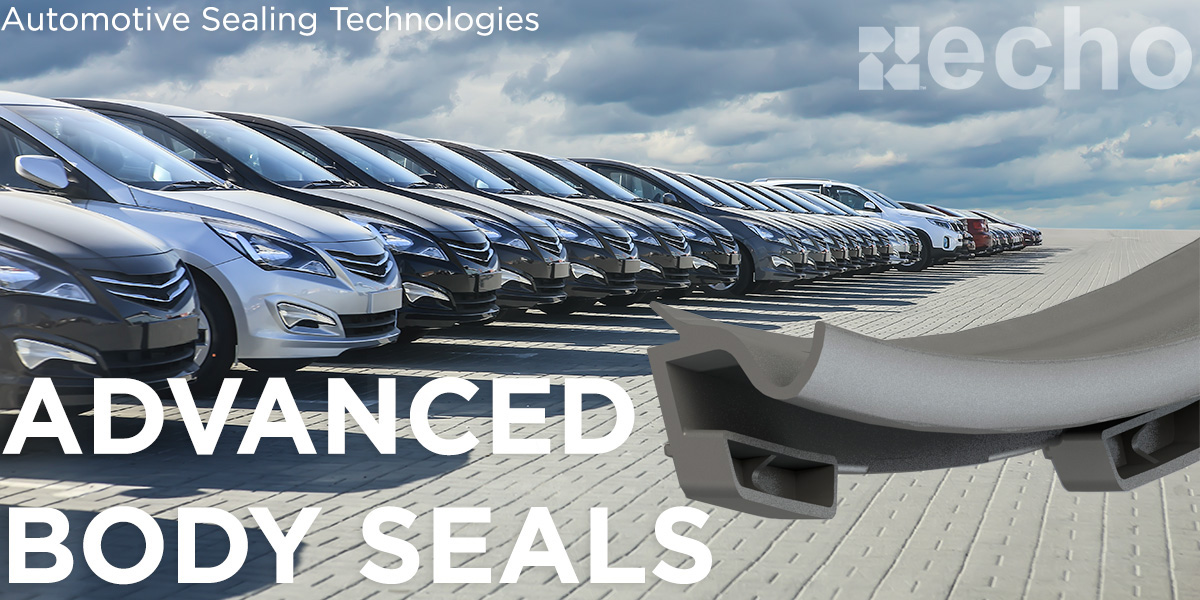
In this post, we're going to explore how tier-1 automotive manufacturers that use rubber door seals are making the shift towards more complex parts as way of exceeding OEM's strict criteria
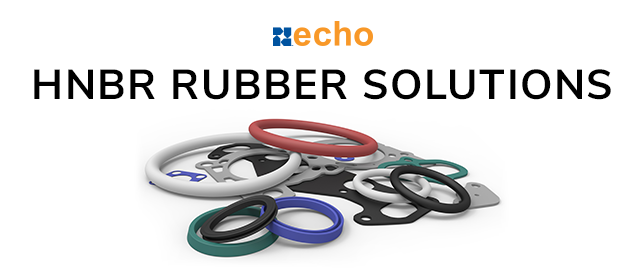
HNBR Development - Hydrogenated nitrile butadiene rubber (HNBR) is a unique elastomer that is known for its physical strength and retention of properties after exposure to heat, oil and chemicals. HNBR was developed in the early 1980s as companies were
Several factors can cause stress on polymers like rubber such as chemical exposure, moisture exposure, and rapid, extreme temperature cycling. This is especially true in the automotive industry.
Rubber compression molding process begins when a precise amount of rubber is placed into the bottom mold cavity. Next, rubber is secured when the top half of the mold is fastened in place. Then, forceful pressure
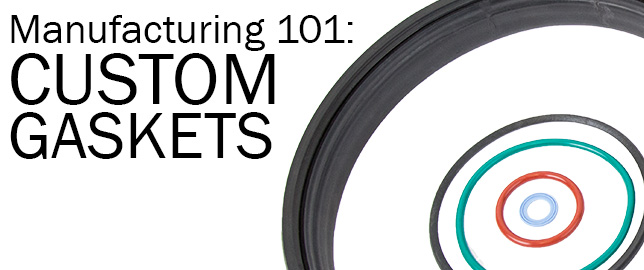
Just like all gaskets, rubber gaskets create seals and barriers.To ensure a gasket’s design will hold up throughout your process and provide the strong seal you need, you must ask yourself a few important questions.