The store will not work correctly when cookies are disabled.
We use cookies to enhance your browsing experience and analyze site traffic.
By clicking Accept, you agree to our use of cookies as outlined in our privacy policy.
Due to the fear of silicone volatiles, some facilities will not even remotely consider using the material. In the automotive industry specifically, silicone is sometimes not even allowed into the paint production environments. So, what this means is they need alternative solutions. Luckily, we've received these requests many times before so in this post we will take you through the majority of the options you'll typically have.
Repetitive motion injuries. Labor shortages. Manufacturing line bottleneck. These are just a few of the many reasons why it's time to take a closer look into the ergonomics and efficiencies of your masking operations.
In this post, we're going to take you through the fundamentals of what goes into die-cutting, including: What die-cutting actually is, forms of die-cutting, types of cuts, and tooling basics
This post was created to explain what you and your masking solutions provider (like Echo Engineering), need to know when determining what silicone to go with for your masking application. To do that, let evaluate the pros, cons, and when specifically you should choose either one
All industries have specific requirements when it comes to masking, and the electronics industry is no different! What masking products are useful when dealing with electronics? We’ve compiled a list to make things simple
If you're in charge of MRO purchasing, this post is for you. We've developed this comprehensive breakdown as a guide on how to make a more calculated purchasing decision by going in-depth into what goes into the masking process.
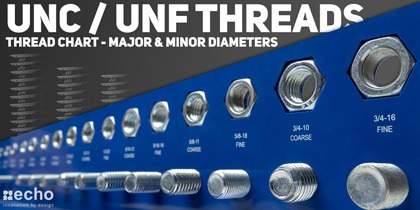
In this post, we take you through how to choose the correct plug for effectively masking off threads during metal finishing processes, such as powder coating, e-coating, plating, anodizing, etc.