Lee Lechner has been with Echo Engineering for over ten years and specializes in researching, writing, and developing content regarding powder coating, e-coating, compression molding, and injection molding.
In this post, we cover two forms of sustainable plastics that automotive manufacturers are using or should be highly considering over the course of the next few years: Plastics used on the finished vehicle and bioplastics used for shipment protection.
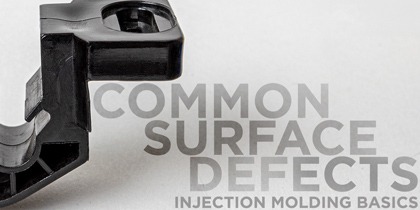
Have you ever looked at a plastic part and seen some sort of surface defect that didn't look good? In this post we take you throughmost common injection-molded surface defects and the possible sources that are causing them.
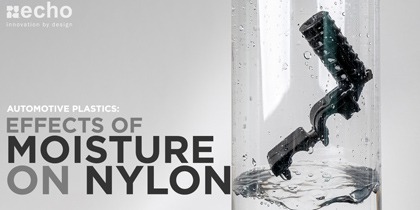
Automotive injection molding components require a vast array of knowledge in order to make parts that hit tight tolerances and pass strict testing requirements. The main elements that we focus on are typically the product design, material, tooling, and manufacturing. But what can easily be overlooked is how some materials react to their environment after the part is molded.
In this post, we will specifically focus on Nylon (popular thermoplastic material used in a variety of automotive applications), moisture conditioning methods, design elements to focus on, and some of the basics of moisture conditioning in general.
Powder coating is a high-temperature coating process that requires specialized materials and equipment. Because of this, we get a ton of questions from not only new powder coating lines but also some of the most well-known brands that have the most advanced paint lines we've ever seen. So, we've created this new list of frequently asked masking questions below to help you out. The goal here is to answer the questions you may have.
In this post, we're going to give you our take on what features car buyers expect. Not just standard features, but also the ones we all wish we had in our current vehicle.
Over the past few years, there has been a massive rise in demand for electric vehicles. With this massive shift towards a completely new vehicle type came the necessity to innovate. What you may not know or ever see was the need to innovate the small things. In this post, we'll take you through what we at Echo have done to help EV manufacturers completely rethink panel plugs, from material and design, all the way to rapid prototyping and testing.
In this post, we will take you through the basics of injection-molded Class-A surfaces in order to give you an understanding of the complexities that go into the manufacturing process
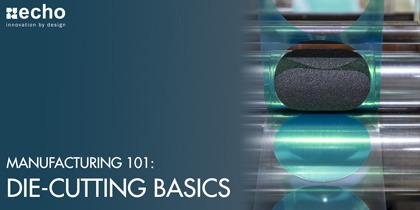
In this post, we're going to take you through the fundamentals of what goes into die-cutting, including: What die-cutting actually is, forms of die-cutting, types of cuts, and tooling basics
This post was created to explain what you and your masking solutions provider (like Echo Engineering), need to know when determining what silicone to go with for your masking application. To do that, let evaluate the pros, cons, and when specifically you should choose either one
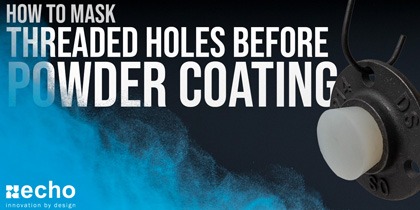
In this post, we're going to take you through the basics of masking threaded holes for your powder coating process. We've broken it down to the basics to make this process as easy as possible for you masking operations on your line.