How to Mask Splined Shafts
- By Lee Lechner
- Apr 29, 2026
Learn which masking methods work best for splined shafts, from vented silicone caps to custom molded masks, and how Echo Engineering solves common design challenges.
Learn essential tips for masking grounding points during powder coating, e-coating, plating, and anodizing to prevent coating related defects.
When it comes to e-coating, one of the common, costly defects we see comes from masking-related paint leakage. Whether you're using caps, plugs, tapes, or custom masking, leakage can compromise coating quality, increase rework time, and ultimately affect product performance and appearance.
At Echo Engineering, we work directly with manufacturers to identify leakage issues and design optimized solutions. In this post, we take you through several key factors we consider when helping customers prevent masking failures during e-coating operations.
We listed multiple ways you can speed up your masking process and be more efficient, saving time and money in the process.
Masking is crucial in the coating process, especially for complex components like those found in steering and suspension systems. These parts often feature complex geometries, tight tolerances, and critical surfaces that must remain uncoated to ensure optimal performance.
Throughout this post, we will take you through various masking products and designs used to mask shock tubes, steering knuckles, tie-rods, and control arms that are manufactured for today's most famous automotive, heavy machinery, and power sports vehicles!
In this post, we are going to take you through the primary methods for masking off mating surfaces before going through the coating process.
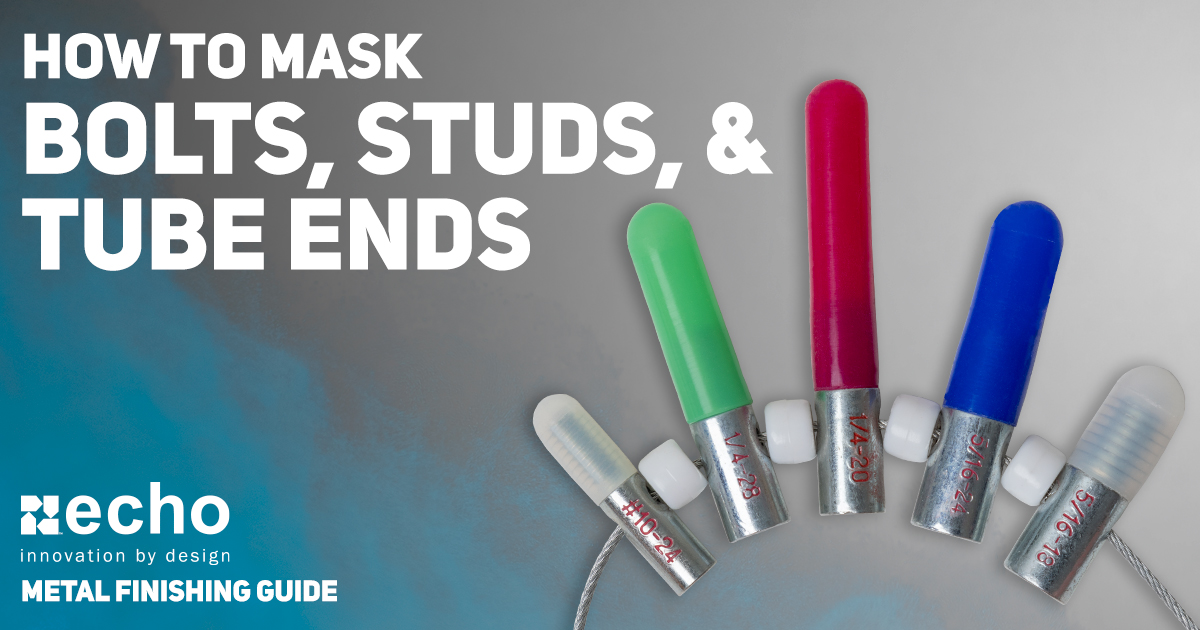
In this post, we are going to take you through how to easily mask off bolts, studs, and tube ends during coating processes, such as powder coating and electrocoating.
Repetitive motion injuries. Labor shortages. Manufacturing line bottleneck. These are just a few of the many reasons why it's time to take a closer look into the ergonomics and efficiencies of your masking operations.
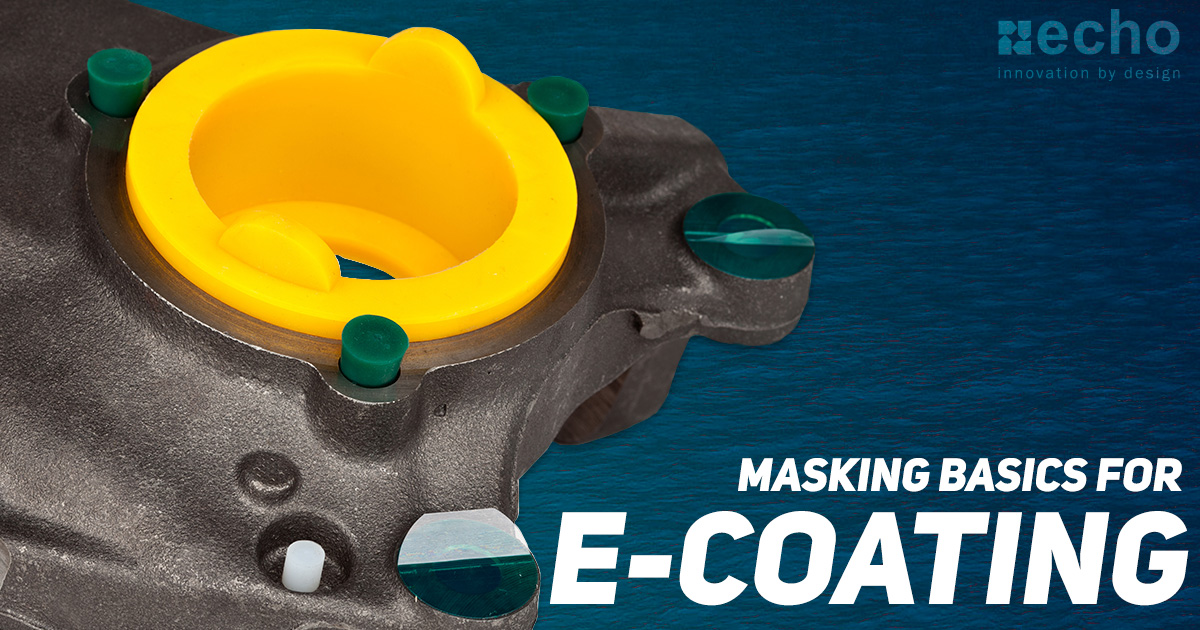
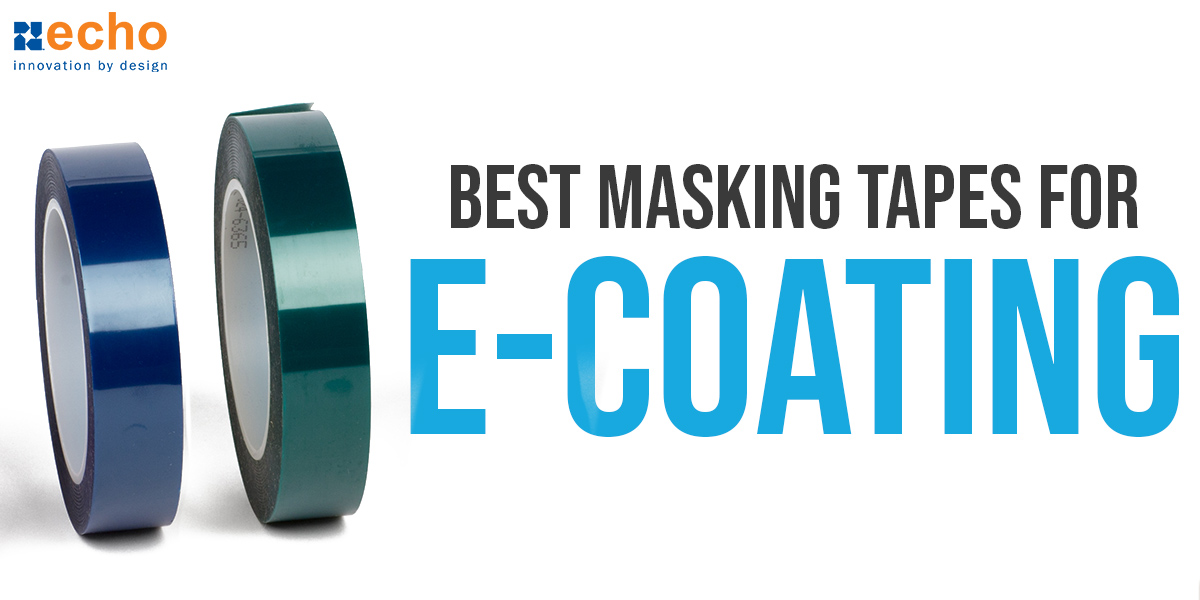
One aspect of this process that doesn't get much attention until the last minute is the masking process. In this post, we're going to take you through the basics and fundamentals of effectively masking for pretreatment and e-coat processes.
In this post, we're going to address the major concerns powder coaters and e-coaters have when it comes to talking to masking suppliers and what has changed recently to significantly speed up your masking validation process.