How to Mask Electronic Enclosures for Coating and Finishing
- By Lee Lechner
- Nov 5, 2025
Learn how to properly mask electronic enclosures during powder coating, painting, or plating to protect grounding points, threads, and mating surfaces.
When it comes to e-coating, one of the common, costly defects we see comes from masking-related paint leakage. Whether you're using caps, plugs, tapes, or custom masking, leakage can compromise coating quality, increase rework time, and ultimately affect product performance and appearance.
At Echo Engineering, we work directly with manufacturers to identify leakage issues and design optimized solutions. In this post, we take you through several key factors we consider when helping customers prevent masking failures during e-coating operations.
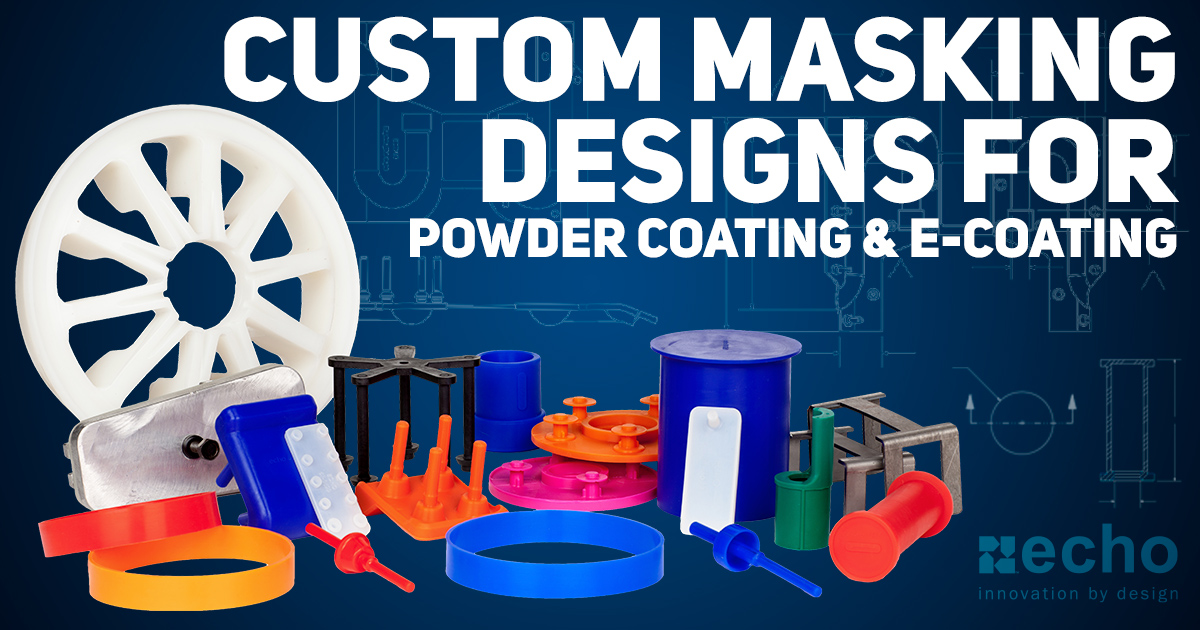
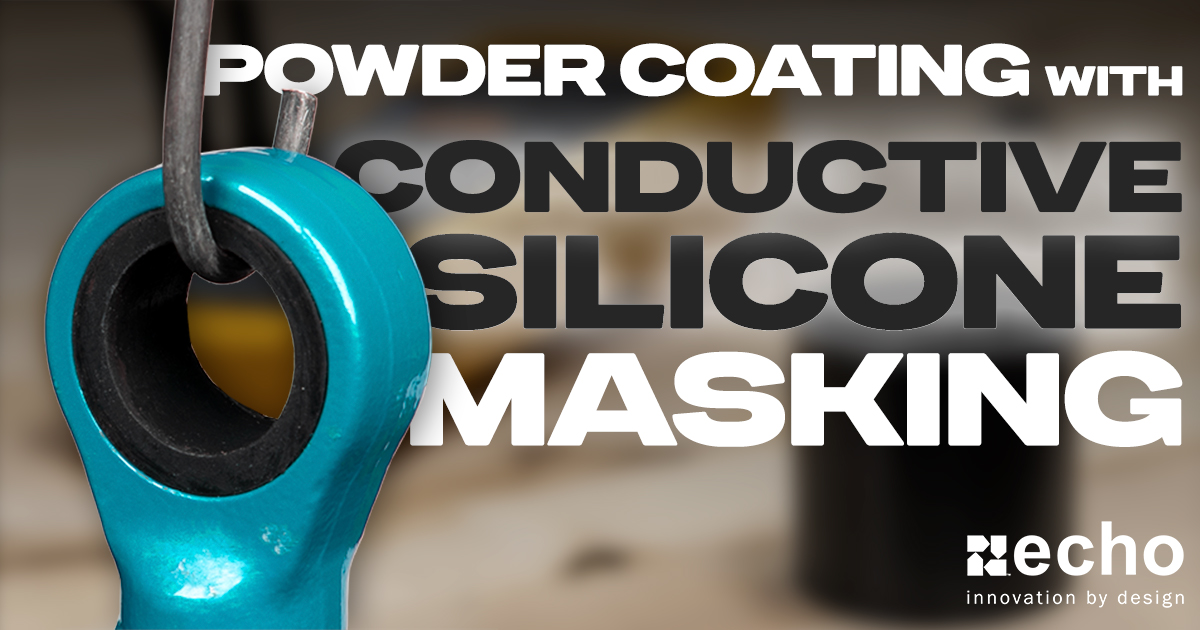
When it comes to custom molded masking solutions for powder coating and e-coating, not all silicone is created equal. Depending on your application’s temperature, flexibility needs, or even conductivity requirements, choosing the right type of silicone can make or break your process efficiency.
At Echo Engineering, we work with several types of silicone materials to engineer parts that meet specific performance demands. Here’s a breakdown of the 6 most common types of silicone we use in molded masking, along with their strengths, weaknesses, and where they work best.
Busbars are vital components in electrical systems, and ensuring they are properly coated while maintaining clean, paint-free contact zones is crucial for optimal performance. Masking busbars, however, presents a unique set of challenges due to the thickness of the coatings and the need for precision. In this post, we’ll take a deep dive into the various masking methods used for busbars, along with their pros and cons, and offer insight into which solutions can be most effective.
We listed multiple ways you can speed up your masking process and be more efficient, saving time and money in the process.
If you're getting started with powder coating, this post will take you through the essential masking supplies that we recommend starting off with first.
Masking is crucial in the coating process, especially for complex components like those found in steering and suspension systems. These parts often feature complex geometries, tight tolerances, and critical surfaces that must remain uncoated to ensure optimal performance.
Throughout this post, we will take you through various masking products and designs used to mask shock tubes, steering knuckles, tie-rods, and control arms that are manufactured for today's most famous automotive, heavy machinery, and power sports vehicles!
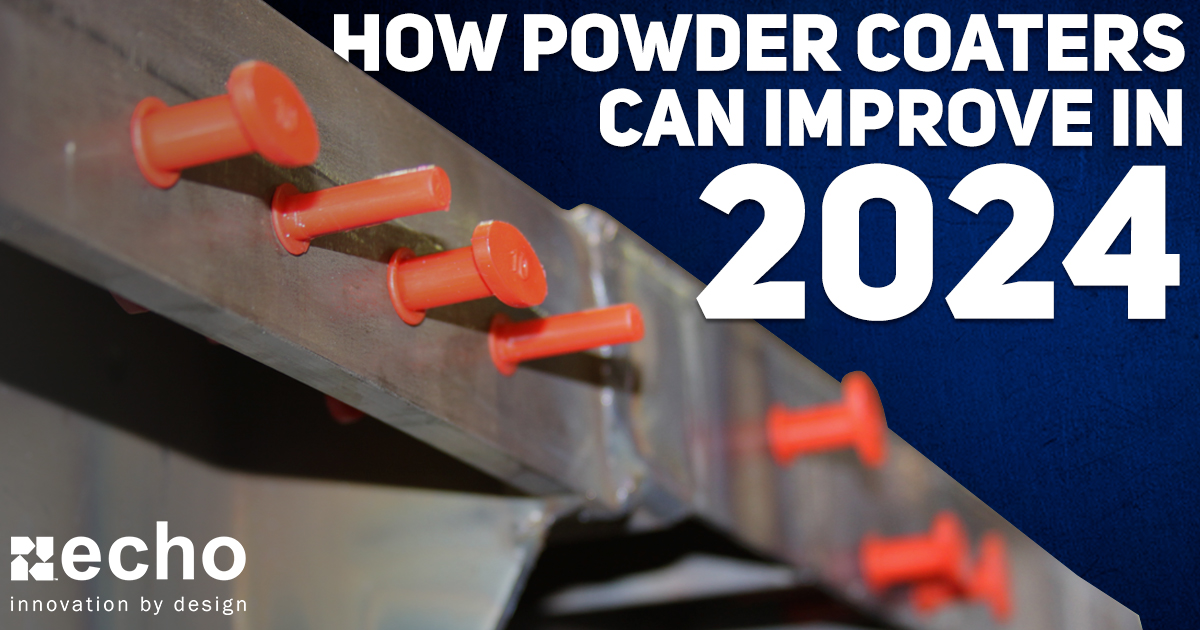
Powder coaters are accepting flaws they could easily eliminate. We’ve curated a list of common issues that are often overlook and provided simple fixes for each one.
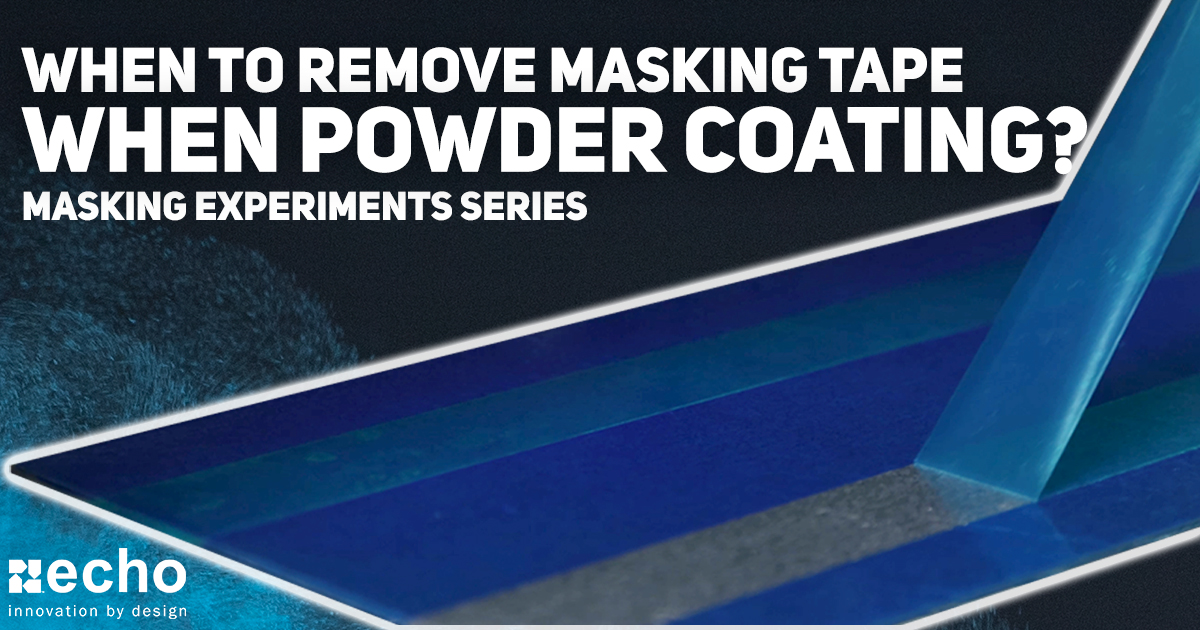
Welcome to the SECOND installment of our new masking experiment series! In this post, we will be taking you through what happens when you remove the tape right after powder gels and compare it to what happens when we remove tape after it cools down after the cure process.
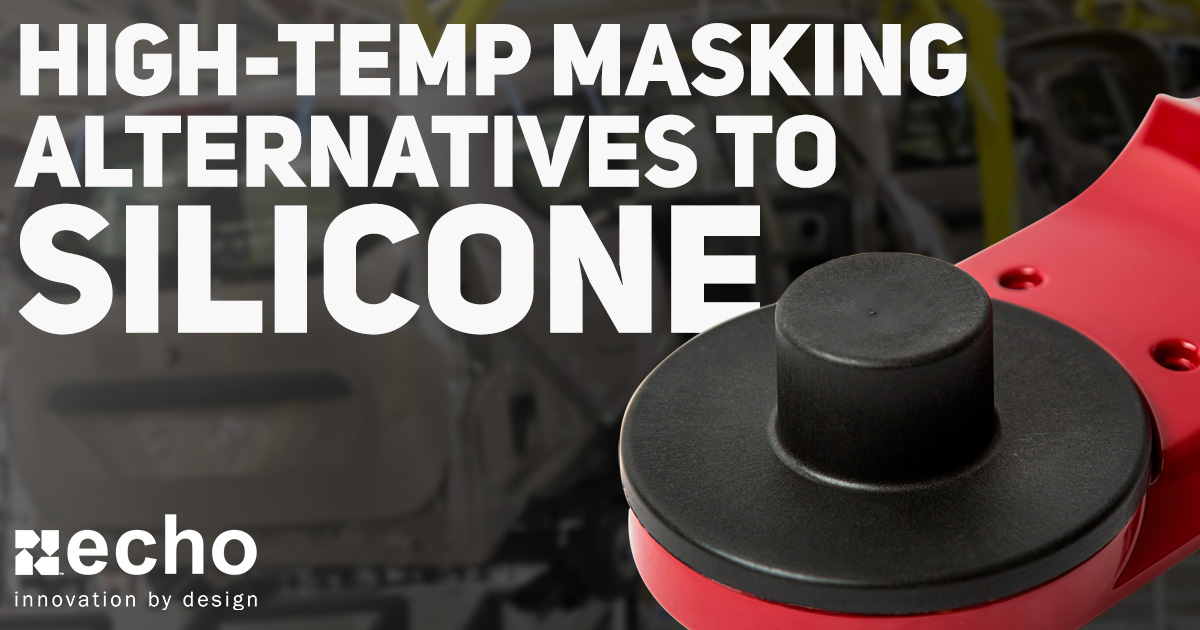
Due to the fear of silicone volatiles, some facilities will not even remotely consider using the material. In the automotive industry specifically, silicone is sometimes not even allowed into the paint production environments. So, what this means is they need alternative solutions. Luckily, we've received these requests many times before so in this post we will take you through the majority of the options you'll typically have.